Pinterest Is Inspiration, Not a Plan
Pinterest is one of the first places couples turn when they start planning their wedding. It’s full of beautiful tablescapes, welcome signs, and color palettes — but inspiration alone doesn’t create a seamless wedding day.
As a wedding calligrapher and stationery designer, I love when couples come to me excited and inspired. Most of them bring Pinterest boards filled with welcome signs, seating charts, menus, and color palettes.
But here’s the truth I gently remind them of:
Pinterest is inspiration — not a plan.
A board full of beautiful images doesn’t automatically translate into a cohesive wedding design. That’s where professional design strategy comes in.
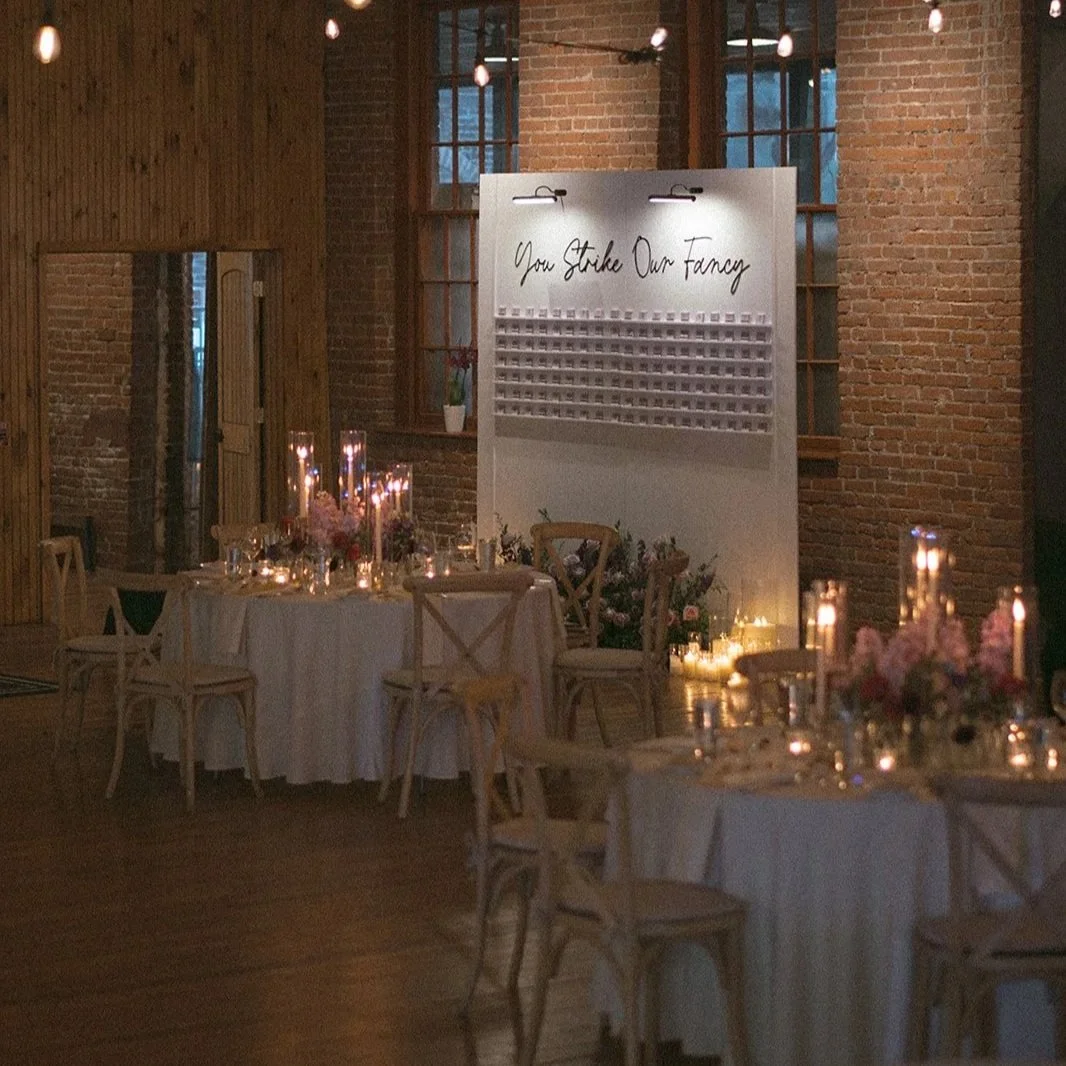
Why Pinterest Can Create More Confusion Than Clarity
Pinterest shows you:
20 different fonts
15 color palettes
10 styles of signage
5 different wedding vibes
All at once.
What it doesn’t show you is:
Which fonts work together
How signage flows through your venue
What materials make sense for your space
How everything connects visually
Couples often feel overwhelmed because they’re trying to piece together random ideas instead of building one intentional design story.
My Role Isn’t Just “Pretty Writing”
Many people think hiring a calligrapher or stationery designer is about handwriting names or making signs look pretty.
What I actually do is help couples turn inspiration into a visual system:
One font family that feels like them
A color palette that works across all pieces
Signage that feels intentional, not last-minute
Stationery that matches the experience of the day
Your welcome sign, escort cards, menus, and bar signs shouldn’t feel like separate projects. They should feel like one cohesive design language.
From Pinterest Board to Design Direction
When couples come to me with their Pinterest boards, I don’t copy them.
I translate them.
We look for:
Patterns in what they love
The mood they’re drawn to
What fits their venue and season
What feels elevated but still personal
From there, we build a plan:
Typography direction
Material choices (acrylic, paper, mirrors, fabric, etc.)
Color usage
Placement and flow of signage